
If you have ever searched for ways to lose weight, you probably might have come across multiple solutions, quick diet plans, exercise routines, and supplements that often promise quick results. Unfortunately, most of these extreme methods are unsustainable. They often lead to a frustrating cycle of losing weight, such as strict dieting and extreme workouts. And you just end up putting on weight instead of losing it
Achieving long-term success requires a shift in focus, consistency, and habits. Instead of chasing rapid fixes, your goal must be healthy weight loss. This means adopting sustainable lifestyle habits that support your body, protect your metabolism, and fit into your daily routine.
Why do people struggle with weight loss?

When you think about losing weight, your mind desperately demands quick fixes, and you get distracted by promising supplements. Social media, celebrity, and marketing campaigns often make it seem like weight loss should happen overnight. As a result, many people jump from one diet to another in search of a perfect quick fix.
The reality is that healthy weight loss is rarely about a single diet, supplement, or even a single workout plan. Multiple factors, including proper nutrition, physical activity, sleep quality, stress levels, hormones, genetics, and daily habits, influence weight management. Ignoring any of these factors can make the journey much more challenging.
Some of the common reasons why people struggle with healthy weight loss are:
- Setting unrealistic goals: Most people want to see big changes within a short timeframe. And when they do not see the results, they lose motivation and quit exercising. The reality of healthy weight loss is that it takes time and a lot of it. A healthy and sustainable weight loss is measured as 0.5 – 1 kg (1-2 lbs) of weight loss per week, only targeting body fat.
- Restrictive Dieting: Most people severely limit their calorie intake, skip their breakfast, and start following fad dieting plans from the internet. which might produce results in the short term, but this will usually lead to intense cravings, nutrient deficiencies, and an eventual overeating episode.
- Emotional Eating: Many people use food as their coping mechanism for stress, anxiety, or frustration. Even people who understand nutrition can struggle with emotional eating habits.
- Lack of Consistency: One of the most common hurdles in weight loss is a lack of consistency. Life gets busy, and staying consistent with your routine becomes hard, and people’s healthy habits start to decline.
What are the foundations of healthy weight loss?

Rather than looking for a quick fix, concentrate on the practices that promote sustainable weight loss and good health.
1. Eat Whole Foods Packed with Nutrients: Your meals should be full of foods that are rich in vitamins, minerals, fiber, and protein, as well as help you stay fuller for a long time. Foods you should add to your meals are:
- Fruits and vegetables
- Chicken, fish, eggs, and beans, which are sources of lean protein
- Whole grains like oats, brown rice, and quinoa
- Nuts, seeds, avocados, and olive oil. These are some healthy fat sources, which you shouldn’t avoid.
- Fat-free dairy or non-dairy milk
2. Increase your protein intake: People think protein is only important for muscle building, but this nutrient plays a huge role in fat loss as well. Here is how protein helps you in fat loss:
- Boosts Your Metabolism: Protein has a high Thermic Effect of Food (TEF). This means your body burns more calories digesting protein than it does digesting carbohydrates or fats, or any other nutrients.
- Preserves Lean Muscle Mass: When you lose weight, your body can also burn muscle. Eating enough protein ensures you drop body fat while keeping your muscle intact.
- Controls Hunger Hormones: Protein decreases your hunger hormone called ghrelin, and stops you from overeating or having sugar cravings.
3. Drink Plenty of Water: Often, people confuse their thirst with hunger. Sufficient daily consumption of water will help regulate your appetite and increase energy. Just drinking a glass of water before your meal will work wonders, as it helps you consume fewer calories and keeps you full.
The role of exercise in healthy weight loss:
- Builds and Maintains Lean Muscle: If you only use diet to lose weight, you typically lose a combination of both fat and muscle. But strength training helps your body to conserve muscle, so you only lose fat, not your muscles.
- Elevates Your Metabolism: Muscle tissue is metabolically active. The more lean muscle you have, the more calories your body naturally burns throughout the day, even when you are sleeping.
- Blood sugar stability: Exercising regularly can improve the ability of your muscles to absorb glucose and help to keep your blood sugar level stable, which prevents excess energy from being stored as body fat.
- Enhances moods and reduces stress: Regular exercise plays a huge role in elevating your mood. When you work out, your cortisol levels (a mood-boosting hormone) increase, and you begin to enjoy what you do.
And to get the best out of your physical activities, keep the right blend of strength training, cardio, and functional body movement.
Simple ways to make your weight loss journey sustainable and effective:
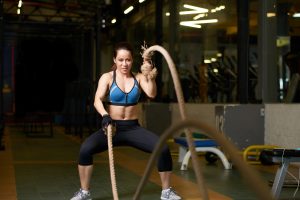
1. Incorporate Strength Training: Most people think only burning calories will help them lose weight, and they fear weight lifting and strength training. Strength training isn’t something to fear! If you lift weights, strength train, or perform Bodyweight workouts 2-3 times a Week, you will receive tremendous benefits
- Builds Lean Muscle: Helps preserve muscle while losing body fat.
- Boosts Metabolism: More muscle means more calories will be burned while you are at rest.
- Improves Strength: Makes everyday activities easier and more efficient.
- Supports Bone Health: Strengthens bones and reduces injury risk.
2. Keep Cardio Enjoyable and Balanced: Cardio exercise is useful for heart health and burning calories, but it doesn’t necessarily need to be intense. The benefits of cardio include:
- Improves Heart Health: Strengthens the cardiovascular system.
- Burns Additional Calories: Supports a calorie deficit.
- Enhances Endurance: Improves stamina and fitness levels.
- Reduces Stress: Helps boost mood and mental well-being.
Cardio can be more fun when you choose activities you enjoy, such as walking, cycling, swimming, and dancing.
3. Maximize Your Daily NEAT: Non-Exercise Activity Thermogenesis (NEAT) refers to the calories burned through daily movement outside of workouts. These are the intentional movements you make while you are not actually working out; these movements can be taking a walk for a short distance or skipping the elevator and taking stairs.
- Increases Daily Calorie Burn: Small movements add up over time.
- Supports Weight Management: Helps maintain an active lifestyle.
- Easy to Implement: Requires no gym membership or equipment.
- Encourages Consistency: Fits naturally into your daily routine.
4. Prioritize Recovery: Recovery is as essential as exercising if you want to see results in the long run. When you give rest to your workout routine, your muscles get enough time to rebuild, and you are also constantly using energy. When you prioritize recovery:
- It Benefits Muscles: Facilitates the body’s recovery post-exercise.
- Minimizes the risk of injury: Gives sufficient time to the body to recover.
- Enhances Performance: Enables consistency in performing the routine.
Transform your weight loss journey with Basics and Beyond fitness & nutrition:
There is no shortage of weight loss advice online. Every day, a new diet trend, workout challenge, or supplement promises to be the solution you’ve been looking for, yet despite all this information, many people still struggle to achieve a healthy weight loss
The reason is simple: lasting transformation requires a sustainable plan, not a generic one.
At Basics and Beyond fitness & nutrition, we understand that every person comes with different goals, challenges, schedules, and health concerns. That is why we have spent more than three decades helping Nashville-area clients achieve real, sustainable results through personalized fitness training and nutrition counseling. Since 1993, our mission has remained the same: helping people build healthier lives through education, accountability, and proven strategies that work in the real world and for their bodies.
We believe that weight loss does not need to be complicated or challenging.
If you want to lose some body fat, gain muscles, change your nutritional habits, and lead a healthier lifestyle in general, our programs and coaching may be helpful for you.
Conclusion
Achieving healthy weight loss is not about punishing your body with extreme restrictions or overwhelming workouts. It is about shifting your mindset away from temporary quick fixes and moving toward lifelong sustainability.
By prioritizing nutrient-dense whole foods, increasing your protein intake, staying hydrated, moving intentionally, and managing your sleep and stress, you build a foundation that supports your metabolism instead of breaking it down.
Know that real progress takes patience, consistency, and a plan that actually fits into your daily life.
FAQs: Frequently Asked Questions
Question 1. Do I have to do hours of intense cardio to lose weight?
Answer. No. While cardio is excellent for heart health, spending hours doing cardio is not necessary for fat loss. A more effective approach is the combination of strength training, cardiovascular training, and an increase in daily NEAT (everyday movements like walking and taking the stairs). This will not just help you in your fat loss, but you will also develop lean muscles.
Question 2. What is the ideal scale of losing weight per week?
Answer. A safe and ideal rate of healthy weight loss is roughly 0.5 to 1 kg (1-2 lbs) per week. Losing weight at this steady pace ensures that you are primarily burning body fat rather than losing muscle mass or water weight.
Question 3. What should I focus on more when I am trying to lose weight? My diet or exercise?
Answer. Both are extremely important; when you are trying to lose weight, your diet plays a major role. However, exercising is equally important because it provides essential support to your body, keeps your body composed, and you don’t lose your muscles.
Question 4. I sit at a desk for 9 hours a day for work. How can I lose weight if I am sedentary most of the day?
Answer: When you have a desk job, focusing on your diet is crucial, but you can also make a massive impact by increasing your daily NEAT (Non-Exercise Activity Thermogenesis). Set a timer to stand up and stretch for two minutes every hour, and take your phone calls while walking around the office. Skip the elevator; use the stairs. These small, frequent movements prevent your metabolic rate from dipping during long hours of sitting.
Question 5. I’m a 50-year-old woman, stuck with my body fat and multiple chronic illnesses like diabetes and high blood pressure. Where can I find a personal trainer in Nashville for my weight loss?
Answer. At Basics and Beyond fitness & nutrition, we provide expert, safe training that is personalized for your chronic conditions. For women over 50, our specialized certified fitness trainer designs targeted programs, which include one-on-one nutrition counseling, strength training, and body weight training. We serve Nashville clients and the surrounding areas in Green Hills, 12 South, Belmont, Berry Hill, and Vanderbilt with customized plans that protect your health while targeting fat loss.