
Building a home gym is a great way to make fitness more convenient and fit exercise into your daily routine. Whether you want a dedicated workout space, or simply have a few pieces of exercise equipment in a spare room or garage, creating a home gym allows you to exercise whenever it suits you without the need for a gym membership. Or driving! The key is to focus on your fitness goals, choose equipment carefully, and create a space that motivates you to stay active.
First, Decide On Your Fitness Goals
Before buying any equipment, think about the type of workouts you enjoy and what you want to achieve. Someone training for strength will need different equipment from someone focusing on cardio or flexibility. If your goal is general fitness, you can create an effective workout space with a combination of simple resistance equipment and cardiovascular options. Starting with a clear plan also helps prevent unnecessary purchases, and keeps your budget under control.
Make The Most Of Your Home Gym’s Available Space
You do not need an entire room to build a functional home gym. Many people successfully create workout areas in garages, spare bedrooms, lofts, or even a corner of their living room. Measure the available space before buying equipment and ensure there is enough room to move around safely. Consider storage solutions such as wall-mounted racks or shelving to maximize floor space. Good lighting, ventilation, and durable flooring can also make your workouts more comfortable, while protecting your home from heavy stuff.
Choose Versatile Equipment
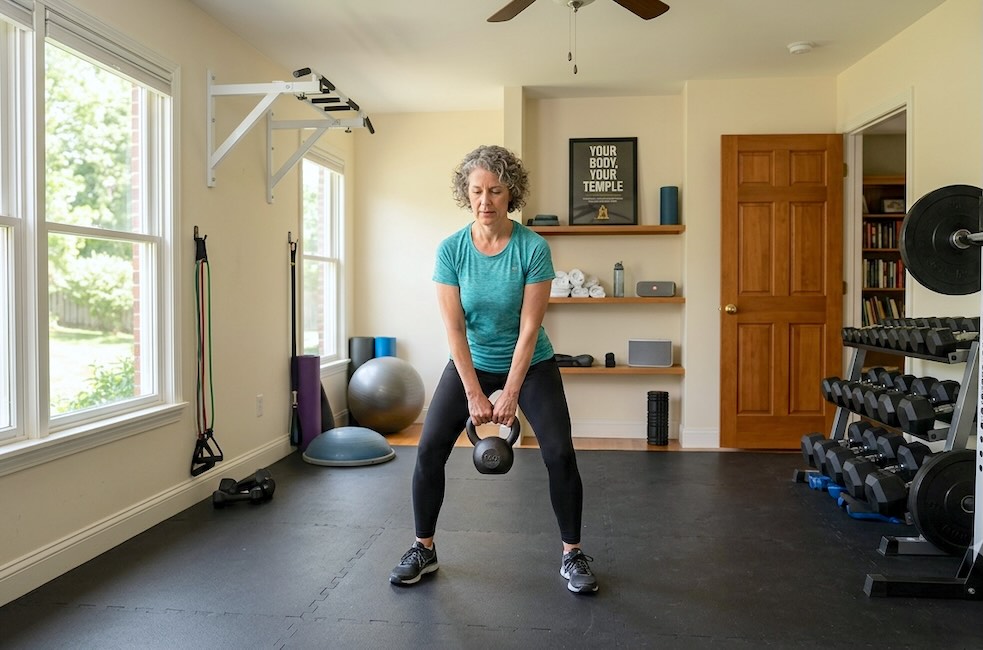
If you are building your gym gradually, start with equipment that offers the greatest variety of exercises. Adjustable dumbbells, resistance bands, kettlebells, an exercise bench, and a yoga mat can provide countless workout options without taking up too much space. As your fitness routine develops, you can add larger items such as a squat rack, rowing machine, exercise bike, or treadmill to expand your training possibilities. Buying quality equipment that will last often proves more cost-effective than replacing cheaper alternatives after only a short period of use.
Building out a home gym doesn’t mean turning your garage or spare room into a commercial fitness warehouse. You don’t really need a dozen single-purpose machines taking up every square inch of floor space. The real secret to a streamlined setup comes down to one word: versatility. When you choose home exercise gear that handles multiple jobs, you save cash, clear out clutter, and keep your training efficient without constantly tripping over tons of equipment.
For example, an adjustable dumbbell or kettlebell lets you swing, press, squat, and row through dozens of weight increments, while only occupying the footprint of a shoe box. Combine that with a sturdy adjustable bench and a set of heavy-duty resistance bands, and you suddenly have a full-body station capable of hundreds of exercises. Even simple additions like a wall-mounted pull-up bar or a modular squat rack double as anchor points for suspension trainers, band work, and mobility drills.
Best of all, multi-use equipment keeps your routine adaptable. When space is at a premium, prioritizing flexible gear ensures your exercise choices can evolve alongside your fitness improvements. You end up with a home workout area that gives you maximum utility without needing the huge space a commercial gym uses.
Buy Second-Hand Equipment
Creating a home gym does not have to be expensive. Many people sell fitness equipment that has seen very little use, making the second-hand market an excellent place to find quality items at pennies on the dollar. Buying pre-owned equipment not only helps reduce costs, but also supports sustainability by extending the lifespan of products that might otherwise go into a landfill. You may find everything from weight benches and barbells to cardio machines in excellent condition for a fraction of their original price.
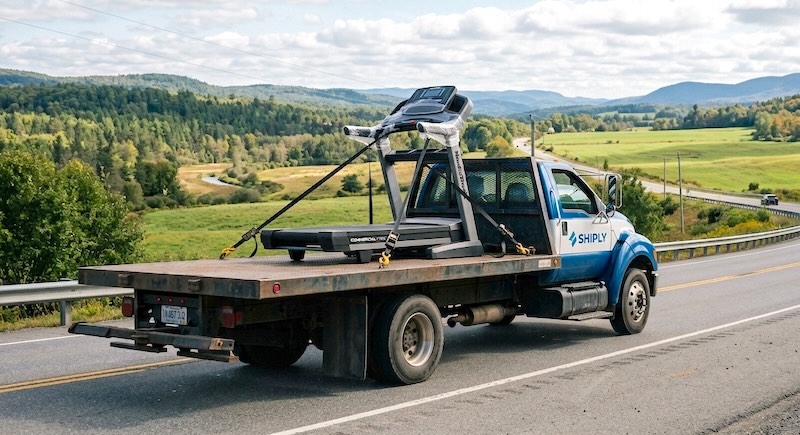
Safety note: One challenge with purchasing larger second-hand equipment is transportation. Heavy gym machines, weight sets, and cardio pieces can be difficult to move without the right vehicle. Don’t hurt yourself loading your home gym equipment, you’re not strong yet! LOL Get your big, heavy equipment home by using a transport provider who can safely deliver items to your home, like www.shiply.com.
A Motivating Home Workout Area
Your home gym should be somewhere you enjoy spending time. Keeping the space organized, clean, and free from distractions can make it easier to stay consistent with your workouts. Adding mirrors, a speaker for music, or a television for workout videos can also make exercise more enjoyable. Small touches that make the space feel inviting can help build long-term motivation.
Build Your Gym Over Time
There is no need to purchase everything at once. It’s a smarter move to allow your home gym to evolve gradually as your needs change and your fitness improves. By choosing versatile equipment, making smart second-hand purchases, and arranging reliable transport when buying larger items, you can create a home gym that suits both your fitness goals and your budget. With careful planning, you’ll have a convenient workout space that supports your health and fitness for years to come!
In-Home Personal Training
Don’t neglect the value of having your very own personal trainer come to your house for in-home workouts. If you live in the Nashville area, we’ll help you by designing the perfect exercise program for your specific goals and body. We’ll teach you what to do in your new home gym. And we can even help you lay everything out in the most useful and efficient way.
If you don’t live in the Nashville area, we can still come to your home gym virtually, with sessions over Zoom or FaceTime. People love the convenience of workout out at home with their trainer on the screen guiding them.
Drop us a note if you’d like to discuss getting some professional fitness training help to get rolling in your new home gym!