
Sitting at a desk for 8+ hours might seem normal initially, but in the long run it can affect your posture, energy levels, and overall physical health.
Your shoulders start to hunch and your natural movement starts to decline. If this sounds familiar, you’re not alone. Millions of us are slowly trading good posture for deadlines and screen time.
But the good news is that you can reverse these changes with the right approach, and it doesn’t require extreme workouts or hours in the gym. What your body really needs is balance, awareness, and better movement patterns.
That’s where balance body training makes all the difference.
Why does desk work mess with your body?
The problem isn’t just sitting down; it’s the amount of time you spend in the same position. Muscles around your hips strain for many hours, your upper back muscles get weak, and your deep abdominal muscles go inactive.
Eventually, you will have to deal with tight hip muscles, curved shoulders, a forward posture of your neck, and flattened back muscles.
And as a result, you feel stiffness, have sore necks, and experience lower back pain.
What is balance body training, and how does it help?
Balance body training is a form of movement training that keeps the main focus on stability, coordination, and body alignment. Instead of just strengthening one particular muscle, it teaches your body how to work as a whole system.
For desk workers, it becomes especially important because sitting for long hours creates a disconnection in the body. Some muscles overwork, while others barely activate. Balance body training helps restore that connection.
Here’s how it helps:
- Balance training actively engages your core, back, and shoulder muscles, which improves your posture and stability.
- It slowly stretches out stiff areas, such as the hips and chest, and activates inactive muscles
- It helps you be more aware of your body so that you automatically maintain better posture and coordination when you move.
- It eliminates pain and stops minor problems from turning into major ones
- It returns grace and confidence to your daily movements
8 Practical Balance Body Training Exercises for Desk Workers that experts recommend
You don’t need complicated routines or equipment. You can start with these simple movements:
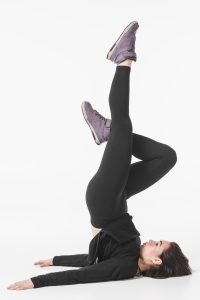
- Single-Leg Balance Reach:Using one leg only, maintain your balance while reaching your arms in various directions. Take 15 to 20 seconds for each side of the body. This exercise helps to improve the stability of the ankles and develops a better level of control over your core muscles.
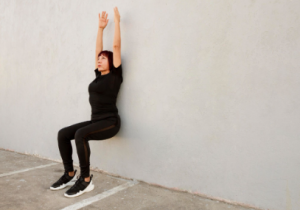
- Wall Posture Hold: While pressing against a flat surface (a wall), slide your arms up and down, using the back of the hands for support. This motion will increase the flexibility of the chest and shoulder muscles, relieve tightness in those areas, and return the shoulder girdle to its original position, avoiding rounded shoulders.
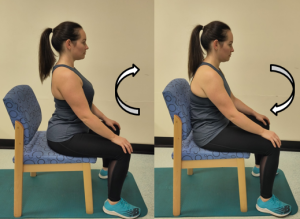
- Seated pelvic tilts: You can start by sitting tall in your chair. Gently tilt your pelvis forward and then backward. Repeat this movement 10 times, taking it nice and slow. This is a great way to move your lower back and loosen your muscles while sitting at work.
- single-leg chair rise: When you are ready, stand up from your chair on one leg, pause for a moment, and then slowly lower yourself back down. Alternate legs. This is an excellent way to increase the strength of your glutes and maintain balance.
- Bird dog: Position yourself on your hands and knees. Extend one arm forward and the opposite leg straight behind you, keeping your body in a stable position. Hold this position for 5-10 seconds on each side. This exercise is one of the best ways to alleviate back pain caused by sitting at a desk for extended periods of time.
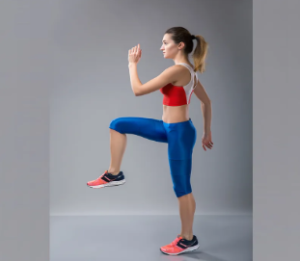
- Standing Knee Lift: Lift the knee of your standing leg to your chest while balancing on that same leg. Add some arm movements to make this more challenging.
- Shoulder Blade Squeeze: Stand on one leg and then squeeze your shoulder blades together. Hold in this position for 10 seconds. This exercise is great for correcting your posture.
How to Make Balance Body Training Part of Your Day:
Try starting with 10 to 15 minutes daily. This can be broken up into three five-minute intervals throughout the day: one in the morning, another during lunchtime, and the last one in the evening. And remember that consistency is key, rather than just spending time on doing these movements. It is more effective to perform the training for a few minutes each day than once or twice a week for an extended period. So make sure that you perform these movements on a regular basis.
Why This Approach Works So Well for Desk Workers
Balance body training directly targets the problems created by long hours of sitting. It strengthens weak muscles, loosens tight ones, and improves the connection between your brain and body. Over weeks and months, you’ll find yourself feeling less fatigue by the end of the workday and experiencing fewer random aches and pains.
Final thought: if you also work at a desk for 8+ hours, then you must be familiar with that morning stiffness, your back complaining after sitting too long in a meeting, or that random joint pain. But here’s the thing:
You don’t have to accept poor posture and constant discomfort just because you have a sitting job. With balance body training, you can improve your body’s posture, stability, and coordination. Start small, stay consistent, and watch how your body will thank you. Every single movement you do today is an investment in a stronger, steadier, and more comfortable tomorrow.
FAQs: Frequently Asked Questions
Ques 1. Why does my posture get worse even when I try to sit straight?
Ans. Because forcing yourself to sit straight doesn’t fix the root problem. If certain muscles are weak or tight, your body will naturally fall back into poor posture. That’s why training your body matters more than just correcting it.
Ques 2. Do I need any equipment for these exercises?
Ans. Not at all! These movements are designed to be done with just your body weight. A wall and a chair are the only “tools” you might use occasionally.
Ques 3. Do I really need balance training if I already go to the gym?
Ans. Yes, because regular workouts don’t always fix posture. You can be strong and still have imbalances from sitting all day. Balance body training helps your muscles work together, not just get stronger individually.
Ques 4. Are there options for balance body training in Belmont City, Nashville?
Ans. Yes, at Basics and Beyond fitness & nutrition, we provide balance training. We provide balance body training program. Whether you’re dealing with stiffness from long desk hours or looking to enhance your body control, our certified trainers offer personalized guidance to help you move better.