
Weighted vests have exploded from unusual workout accessories to a fitness trend you see on social media, in group classes, and even out walking on neighborhood trails. Influencers and fitness enthusiasts alike tout them as simple tools to burn more calories, build strength, improve posture, and enhance workouts with minimal effort. But here’s the key question: are weighted vests actually worth the hype? Let’s break down the science, real benefits, limitations, and how to use weighted vests safely and effectively.
What Is a Weighted Vest?
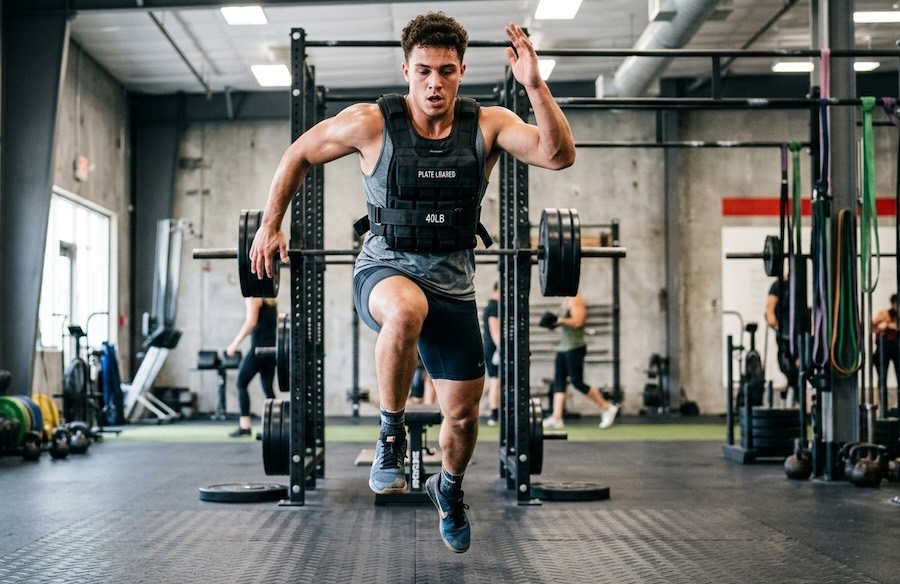
A weighted vest is exactly what it sounds like: a wearable vest that adds load to your torso. You can often adjust the weights in the vest to increase or decrease total load as your fitness improves or depending on the exercise you’re doing. The basic idea is simple – add resistance to everyday movement without holding dumbbells or other equipment.
These vests are typically used during:
- Walking or hiking
- Jogging or running
- Bodyweight exercises like squats, lunges, or push-ups
- Climbing stairs
- Functional fitness circuits
Wearing the vest increases the work your body must do to perform movements you already do – that extra effort is the reason people believe they speed up results.
How Weighted Vests Actually Affect Your Workout
There are a few verifiable physiological effects of wearing a weighted vest that research supports:
🔥 Increased Calorie Burn
One of the most straightforward outcomes is that a weighted vest increases energy expenditure. In controlled research, walking at a steady 2.5 mph with a vest weighing 15 % of body weight increased calories burned by about 12 % compared to walking without one. Similarly, another lab found that wearing about 20 % of body weight produced about a 13 % increase in energy expenditure during walking.
This is a modest but real gain – and not a magic bullet. Calorie burn still depends on speed, duration, incline, and overall activity level.
❤️ Greater Cardiorespiratory Demand
Adding weight makes your heart and lungs work harder. Over time, this can lead to improved cardiovascular fitness because the body adapts to the additional effort required just to move the same distance or at the same pace.
However, this doesn’t mean weighted vests replace structured cardio programs like running, cycling, or interval training – it’s one tool to increase intensity.
💪 More Effort from Your Muscles
Because the extra weight is close to your center of gravity, many major muscle groups – especially the back, core, hips, and legs – have to work harder with every step or movement. In addition to burning more calories, that means muscle activation increases compared to doing the same activity without the extra load.
But how much muscle growth you get depends on overload and progression – the same principle that applies in weight training with free weights and machines.
What Weighted Vests Don’t Do
It’s important to clear up common misconceptions:
❌ Weighted Vests Don’t Guarantee Bone Density Gains
People often assume that walking with a weighted vest will strengthen bones, but this isn’t well supported by science. The high-impact forces required to stimulate bone growth – like those from jumping or heavy resistance training – aren’t effectively produced just by walking with extra weight. Research even shows that long-term use of weighted vests doesn’t reliably prevent bone loss in older adults compared to formal resistance training regimens.
For bone health, authoritative organizations like the National Institutes of Health (NIH) and Harvard Health Publishing emphasize resistance exercises that place greater mechanical stress on bone, such as weight-lifting and impact training. What are the benefits of walking with a weighted vest?
❌ They Are Not a Substitute for Strength Training
A weighted vest can enhance bodyweight moves, but it won’t build muscle as effectively as direct resistance training with progressive overload (e.g., barbells, dumbbells, kettlebells, resistance machines). It’s better viewed as a complement to a balanced strength routine rather than a replacement.
Safety: When Weighted Vests Help – and When They Harm
Weighted vests are generally safe when used appropriately, but they don’t suit every activity or every person.
Good Use of Weighted Vest
- Walking or brisk hiking (especially for those who struggle with high-impact exercise)
- Stair climbing
- Functional movements like bodyweight squats
- Light jogging once adapted
⚠️ Potential Risks of Weighted Vest
- Excessive weight can strain joints and exacerbate overuse irritation in knees, hips, feet, or lower back
- Poorly distributed weight (or too much extra weight) can alter posture during movement
- Dynamic activities (running, jumping) heighten risk of injury if not progressed carefully
- Individuals with orthopedic issues, neck pain, or balance limitations should consult a professional before use
In general, begin light – around 5 % of body weight – and increase gradually up to 10 %–20 % depending on fitness level and comfort. Consult your trainer.
How to Use a Weighted Vest for Best Results
Whether you’re wearing one on the treadmill or during a strength circuit, these tips will help you maximize benefits safely.
🎯 Start Light and Progress Slowly
If you aren’t accustomed to weighted training, start small. A little extra weight integrated gradually lets your muscles, joints, and cardiovascular system adapt.
🏃 Mix Activities
Use the vest for walking, stair workouts, or light jogging before trying it with impact exercises like plyometrics or sprints.
🧍♂️ Focus on Form
Because the vest changes your center of gravity, pay close attention to posture – especially during dynamic movements. Keep your core engaged and back neutral.
When Weighted Vests Are Most Effective
Weighted vests are most practical for people who:
- Want to boost effort without complicated equipment
- Prefer walking, hiking, or stair climbing
- Are already reasonably fit and can safely add load
- Want to enhance calorie burn on low-impact workouts
They are less ideal for those just beginning exercise without guidance, or people whose goals are major bone density improvement or muscle gain (hypertrophy).
What Experts Say About Weighted Vests
While weighted vests aren’t a panacea, expert opinions align with the science in seeing them as useful tools when integrated intelligently.
The American College of Sports Medicine (ACSM) – one of the world’s leading exercise science authorities – reviewed the topic and concluded that weighted vests can increase energy expenditure, intensify workouts, and improve cardiovascular demand when used appropriately. They also highlighted that the most dramatic benefits come from structured exercise programs that combine multiple modalities, not vest use alone.
Similarly, health organizations like Harvard Health Publishing note that carrying extra weight during walking can build muscle strength and heart fitness, but it’s not a substitute for comprehensive exercise.
Final Takeaways
So, are weighted vests worth the hype?
Yes – but with context. For many people, a weighted vest can add challenge and variety to workouts and boost calorie burn, cardiovascular intensity, and muscle engagement. However:
- They are not magic weight loss tools
- They don’t replace resistance training for bone density
- Safety and proper progression matter
- They work best as part of a balanced fitness routine
Approach them as one tool in your toolbox – not the only one.
Want Better Results? Work With a Professional
If you’re curious about adding a weighted vest to your routine – or just want to reach your fitness goals more efficiently – the number one investment you can make is in tailored guidance. Personal training ensures you:
- Learn correct form and technique
- Progress safely without injury
- Use the right tools for your goals
- Get a plan designed just for you
👉 Talk with one of our certified personal trainers today and take your workouts to the next level!
Frequently Asked Questions FAQ About Weighted Vests
- How heavy should my weighted vest be?
Start lighter than you think. For most people, 5% of your body weight is a good starting point. As your body adapts, you can gradually increase to 10–15%, and in some cases up to 20% if you’re experienced and pain-free.
Jumping straight to heavy loads is where problems start – especially for knees, hips, and lower back. Progressive overload still applies here. Build slowly.
- Can walking with a weighted vest help with weight loss?
It can help – but it’s not magic.
Research summarized by the American College of Sports Medicine (ACSM) shows that walking with a vest burns 12–13% more calories, depending on weight and speed. That’s meaningful over time, especially if you walk consistently.
However, fat loss ultimately depends on:
- Nutrition habits
- Total daily calorie balance
- Strength training volume
- Sleep quality
A weighted vest can enhance calorie burn, but it works best as part of a complete weight loss program – not as a standalone solution.
- Are weighted vests good for bone density?
Not really.
While it sounds logical that extra weight would strengthen bones, the evidence doesn’t strongly support vest-only walking for bone density improvement. Bone responds best to higher-impact and heavier resistance training. A weighted vest isn’t enough external load to stimulate bone growth.
Organizations like the National Institutes of Health (NIH) emphasize strength training and impact loading (when appropriate) as more effective methods for maintaining bone health.
If bone density is your primary goal, traditional resistance training is the smarter choice. You could also consider weight training on a whole-body vibration platform.
- Can beginners use a weighted vest?
Yes – with caution.
Beginners should:
- Start very light (5% body weight or less)
- Use it only for walking at first
- Focus on posture and stride
- Avoid high-impact movements initially
If you’re new to exercise entirely, it’s better to build foundational strength and movement quality before adding a weighted vest. The vest should enhance good movement – not compensate for weak mechanics.
- Is it safe to run or jump while wearing a weighted vest?
It depends on your conditioning level and landing mechanics.
Running or jumping increases joint stress significantly. Adding weight amplifies that stress. If you:
- Already run consistently
- Have no joint pain
- Have strong foundational strength
…then gradual integration may be fine.
If not, stick to walking, hiking, stair climbing, or controlled bodyweight strength movements first. When in doubt, progress slower than you think you need to.
- How long should I wear a weighted vest during a workout?
There’s no universal time rule. Instead, think in terms of purpose:
- For walking workouts: 20–45 minutes is common.
- For strength circuits: Use it during select movements.
- For conditioning intervals: Short bouts can be effective.
The key is monitoring fatigue and form. If posture breaks down or joints start to ache, remove the vest. Quality always beats duration!
- Will a weighted vest help me build muscle?
It can help – but within limits.
A weighted vest increases resistance for bodyweight exercises like:
- Squats
- Lunges
- Push-ups
- Step-ups
That can stimulate muscle growth if the load is challenging enough. However, for significant muscle gains, progressive resistance training with barbells, dumbbells, or machines is typically more effective.
Think of the vest as a progression tool – not a replacement for structured strength training.
- Who should avoid weighted vests?
You should consult a qualified healthcare provider or fitness professional if you have:
- Chronic knee, hip, or back pain
- Osteoporosis or advanced bone loss
- Balance impairments
- Recent surgery or injury
Weighted vests increase mechanical load. For some individuals, that added stress may outweigh potential benefits.
TLDR – Summary and Takeaways
Weighted vests can absolutely be a useful training tool – when used intelligently. They increase energy expenditure, elevate cardiovascular demand, and add resistance to simple movements. But they are not shortcuts, and they don’t replace proper strength training or smart programming, and they don’t stimulate bone growth by themselves.
If you want to integrate a weighted vest safely and effectively – or if you’re unsure how to structure your training for maximum results – working with a professional makes all the difference.

👉 Ready to train smarter, not harder? Let’s build a personalized program that fits your goals, lifestyle, and experience level. Contact us today to get started with personal training.