
Muscle often gets reduced to how it looks. Six-packs. Toned arms. Beach-season motivation.
But muscle does far more than shape your appearance. Muscle plays a major role in how you move, how you age, how your body handles stress, and how independent you stay over time.
Despite that, muscle health still isn’t discussed nearly enough. Many people go years without hearing a doctor mention resistance training or protein intake, even as strength quietly declines with age.
That’s a problem – because muscle isn’t optional equipment. It’s a vital system that supports nearly every function in your body.
Muscle Is a Metabolic Powerhouse
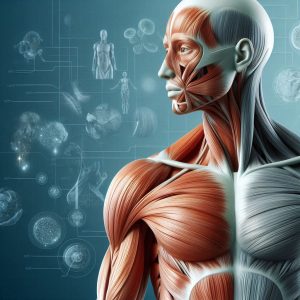
Skeletal muscle makes up roughly 30 to 50 percent of your body weight, depending on age, sex, and fitness level. And it’s constantly working behind the scenes.
Here’s what healthy muscle does for you:
- Helps regulate blood sugar and insulin
- Supports fat metabolism
- Plays a major role in daily calorie burn
- Stores protein needed during illness or injury
- Supports hormones, immunity, and recovery
In fact, muscle is responsible for handling more than 75 percent of insulin-driven glucose uptake in the body. When muscle mass declines, blood sugar control often declines with it.
That’s one reason strength training is strongly linked to lower risk of type 2 diabetes and other metabolic conditions.
Muscle Loss Happens Earlier Than Most People Realize
Most adults reach peak muscle mass sometime between their 20s and 40s. After that, muscle loss slowly begins – and it accelerates if you don’t train.
On average:
- Muscle loss begins in midlife
- Declines speed up after age 50
- Loss becomes more dramatic after age 60
Without resistance training and proper nutrition, this loss can lead to sarcopenia – age-related muscle loss – and dynapenia, which is loss of strength.
The result isn’t just weaker workouts. It can mean reduced mobility, higher fall risk, slower recovery from illness, and loss of independence later in life.
How Muscle Protects You During Stress and Illness
Muscle acts as a reserve system for the body.
During injury, surgery, illness, or high stress, the body pulls amino acids from muscle tissue to support immune function and repair damaged cells. If muscle reserves are low, recovery becomes much harder.
This is one reason people with more muscle mass often recover better from serious health events than those with less.
You can’t predict when life will throw something unexpected your way. But you can control how prepared your body is to handle it.
Strength Training Does What Cardio Can’t
Cardio is great for heart and lung health. But it doesn’t replace resistance training.
Strength training uniquely:
- Preserves and builds muscle mass
- Strengthens bones and helps prevent osteoporosis
- Improves mitochondrial health and energy production
- Reduces chronic inflammation
- Supports joint health and mobility
Think you’re too old to lift weights? Guess again — Research shows that low to moderate intensity strength training is safe and beneficial for older adults, including those with cardiovascular conditions.
And no – lifting heavy isn’t required. Lighter weights performed with good form and effort still produce real results.
Sooner Is Better, but It’s Never Too Late to Start
One of the most encouraging findings in strength research is that people in their 70s, 80s, and beyond can still build muscle and strength.
But rebuilding muscle is harder than maintaining it.
Think of muscle like a retirement account. Starting early gives you more margin later. Waiting too long makes the climb steeper – but not impossible. Certainly better than doing nothing!
The best time to start strength training was years ago.
The second-best time is right now!
How Personal Training Helps You Build Muscle Safely
Knowing muscle matters is one thing. Knowing how to train correctly is another.
A personal trainer helps by:
- Designing a program based on your specific body and goals
- Teaching proper technique to reduce injury risk
- Progressing workouts safely over time
- Keeping training consistent and realistic
- Adapting the program as your body changes
This matters even more if you’re new to strength training, returning after time off, or training with injury limitations.
Frequently Asked Questions About Muscle and Strength Training
How often should I strength train?
Most people see great results with 2 to 3 full-body strength sessions per week.
Do I need heavy weights to build muscle?
No. Muscle responds to effort, not just load. Lighter weights taken close to fatigue can build muscle too.
Is strength training safe for beginners?
Yes – if done correctly. Starting with guided instruction makes a huge difference in safety and confidence.
Will strength training make me bulky?
Muscle gain happens gradually and depends on training style, nutrition, and genetics. Most people simply look leaner and stronger. We’ll make you a deal – if you start getting too many muscles, just speak up and we’ll cut back LOL
Can I build muscle while losing fat?
Yes. Many people improve muscle tone and reduce body fat at the same time, especially when starting a structured program.

Ready to Build Muscle the Right Way?
Muscle isn’t just about aesthetics – it’s about strength, resilience, and long-term health.
If you want to build muscle safely, efficiently, and with a plan designed for your body, personal training can help.
At Basics and Beyond fitness & nutrition, our trainers focus on smart strength training that supports real life – not just the gym.
Start building muscle that lasts.
Work with a personal trainer who helps you get stronger for life. 💪
Drop us a note and we’ll find a time to talk about what kind of help will work best for you.