
Pregnancy is the most lovely phase in a woman’s life, but it does bring a lot of changes to the body and mind. A popular question that many would-be mothers ask is whether it is safe to exercise during pregnancy. In a healthy pregnancy, in most cases, it’s safe to maintain regular physical activity, and it’s beneficial. If approached correctly and with proper guidance, exercise can make you feel more powerful and energetic.
Why Is It Important?
Staying active during pregnancy has several physical and mental health benefits. Exercising regularly will help ensure healthy blood circulation and ease back pain. Simultaneously, it also helps you maintain a better posture, reduce swelling and constipation related to pregnancy, and improve your night’s sleep. Engaging in exercise helps you feel more relaxed and calmer by keeping stress, anxiety, and mood swings at bay.
Regular, moderate exercise during pregnancy does more than just keep your body active. It helps your cells stay healthy, and your mood stays bright. When you move, your body naturally produces antioxidants like glutathione and superoxide dismutase, which fight harmful free radicals and reduce oxidative stress. At the same time, exercise triggers the release of “feel-good” hormones such as endorphins, dopamine, and serotonin. This powerful combination of antioxidants and hormones can leave you feeling more energized, uplifted, and rejuvenated, making your pregnancy journey not only healthier but also emotionally more balanced and positive.
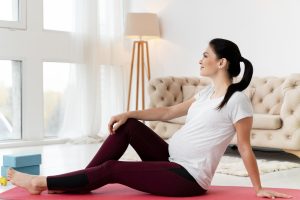
In addition to regular exercise, many expectant mothers are encouraged to attend special prenatal training sessions designed specifically for delivery preparation. During these sessions, women are guided through exercises that strengthen key muscles used during labor. By focusing on these areas, the body becomes better prepared to handle the physical demands of childbirth, making labor more efficient and reducing the risk of complications. This targeted training not only builds physical strength but also boosts confidence, helping mothers feel more in control and supported during the birthing process.
Is It Acceptable to Work Out When Pregnant?
Most pregnancies are safe for exercise in all three trimesters for most women. It’s always best to check with your doctor before starting or continuing any exercises. It becomes even more important to check with a health professional if you have medical conditions like high blood pressure, diabetes, anemia, or complications from previous pregnancies.
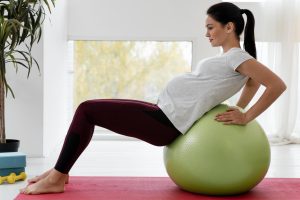
Tips for Exercise During Pregnancy
1. Pay Attention to Your Body
Because each pregnancy is different, what is enjoyable one day may be too much the next. Observe how your body reacts; slow down or take a break if you experience discomfort, dizziness, or shortness of breath. It is always preferable to move gently rather than forcefully.
2. Maintain Moderation
You don’t have to lift big weights or run marathons. Walking, swimming, prenatal yoga, and light strength training are great ways to maintain your fitness level without putting too much strain on your body. Feeling energized is the aim.
3. Pay Attention to Pelvic and Core Strength
During pregnancy, exercises that strengthen your pelvic floor, back, and core are very beneficial. These muscles help with posture, support your expanding belly, and get you ready for childbirth. Simple exercises like bridges, gentle Kegel exercises, and pelvic tilts can have a significant impact.
4. Remain Comfortable and Hydrated
It is crucial to consume adequate water prior to, during, and following physical activity. To lower your risk of injury or overheating, wear supportive shoes and loose, breathable clothing. Your workout is more enjoyable when you are in comfortable surroundings.
5. Incorporate Quick, Regular Sessions
Moving for even 10 to 15 minutes a few times a day is preferable to exerting yourself for an extended period of time that exhausts you. Exercises that are brief and regular help sustain energy and avoid fatigue.
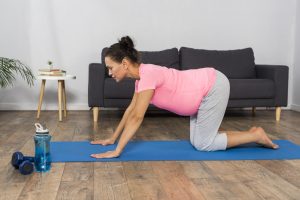
Exercise to avoid during pregnancy
- Heavy lifting: Don’t try to lift really heavy weights right now. Your body is already carrying extra weight, and straining your muscles or back can be risky. Light weights or resistance bands are much safer.
- Lying flat on your back: After the first trimester, avoid lying flat for long periods, like during traditional crunches or some floor exercises. It can make you dizzy and affect blood flow to your baby.
- Sudden twists, jumps, or bounces: Your balance changes as your belly grows, so movements that are fast or unstable, like jumping jacks or high-impact aerobics, can easily lead to a fall.
- Hot or overheated workouts: Exercising in a sauna, hot yoga, or really warm environments can raise your body temperature too much. Staying cool and hydrated is super important.
Important nutritional suggestions for pregnant women
Eating well during pregnancy isn’t about dieting but rather giving your body and your baby the nutrition you both need. Eating the right food during pregnancy is crucial for the baby. Focus on fresh fruit, fresh vegetables, whole grains, lean protein, and healthy fat. This helps you to feel full and energized throughout the pregnancy while being nourished. It also helps the baby to grow.
Important foods are the ones that are high in iron, calcium, folic acid, and protein. They help the development of blood and bones. Make sure you drink water all through the day and avoid processed foods, extra sugar, and fried snacks. It’s better to have smaller, more frequent meals than to have heavy meals. This should keep you energized and help you avoid feeling nauseous.
Don’t think of nutrition like punishing yourself for not eating healthy; it is more about making sure that you are enjoying everything while you give your baby the essential nutrients he/she needs for growth.
Conclusion
Pregnancy is a time of change, learning, and care for both the body and the mind. Staying active, eating healthy, and listening to your body can make this journey healthier and more comfortable. Gentle exercises help to build strength, improve mood, support better sleep, and prepare your body for labor and recovery. When combined with balanced nutrition and proper guidance, movement becomes a powerful way to feel confident and in control during pregnancy.
FAQs Frequently Asked Questions
Ques. 1. Should I talk to my physician before starting exercise during pregnancy?
Ans: Absolutely. Before starting or changing your exercise routine, it’s always best to get guidance from your physician or midwife, especially if you have any medical conditions.
Ques. 2. Can I do exercise during pregnancy even though I was not active before it?
Ans: Yes, you can. Even if you didn’t exercise before pregnancy, you can start with gentle activities like walking, stretching, or prenatal yoga. Just begin slowly and always check with your medical professional before starting anything new.
Ques. 3. How much exercise should I do during pregnancy?
Ans: You don’t need to overdo it. Around 20-30 minutes of moderate activity on most days is usually enough. Some days you may feel more energetic, and other days you may need rest, and that’s completely okay.
Ques. 4. What should I eat before and after exercise?
Ans: You should choose something light, like fruit, yogurt, or a handful of nuts, before exercising. Afterward, a balanced meal or snack helps restore energy and keep you feeling good.
Ques. 5. Is walking as an exercise enough for me during pregnancy?
Ans: Yes, walking is actually one of the best and safest exercises you can do. It keeps your body active, improves circulation, and is easy to adjust based on how you’re feeling each day.