
What if everything you believed about bodyweight training was only half the story?
Bodyweight workouts appear easy. There is no need to buy an expensive membership, use machines, or wait for equipment to be free when you perform bodyweight workouts; it merely consists of you using your body through push-ups, squats, lunges, and planks, etc.
It feels exciting because you will push yourself and feel the burn in your muscles. However, after a few weeks have passed, you may begin to notice that recovery has become slower, and that you feel sore for longer periods of time.
Progress seems like it is progressing through mud, and even pushing harder just doesn’t seem to work. So, naturally, you do what most people do. You start to push yourself harder, add more reps, and start to cut down your rest time. But still nothing has changed.
Let’s try to understand the aspect that nobody tells you when you start bodyweight training.
Everyone thinks that a workout is the only thing needed to reach their fitness goals. However, what people do not realise is that, while a workout is one half of reaching your fitness goals, another half takes place in the kitchen; your nutrition, what you are eating in your whole day.
And every single time, the missing piece is protein. Not in the way that “you’ve been doing everything wrong” kind of way. But if it happens consistently starts to make a noticeable negative difference. And that gap between what you are eating and what your body is demanding is the exact reason that your progress feels stuck.
What protein matters in bodyweight training?
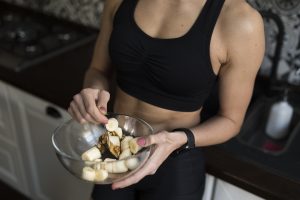
A common recommendation for many people is to “increase your protein intake.” Most do not understand why protein is so important, though. When the body is stressed during exercise, muscle is damaged. The body requires the amino acids provided from protein to repair and rebuild muscle after exercise. Without sufficient amounts of protein, the process of recovery will take longer, and the results of progress will take longer. It somewhat looks like your body is trying to repair a wall, but not enough bricks. You have the best intentions to fix it, but simply don’t have the resources to do so.
Besides helping the body recover from exercise, protein also aids in keeping one’s hunger level between meals longer and maintains stable levels of energy throughout each day, which will help decrease total snacking or cravings.
The actual number: How much protein do you need in your bodyweight training?
Most nutrition counselors suggest that active individuals should have about 1.6 to 2.2 grams of protein for each kilogram of body weight (e.g., for a person who weighs 65 kg and trains regularly, they will require approximately 104-130 grams per day).
The issue, however, is that many women’s intake amounts range from about 50 to 60 grams per day. Therefore, frit is common for most women to fall well below the protein requirements for optimal recovery and muscle repair. In many instances, these goals can lead to slow progress due to prolonged soreness and lack of energy.
Lastly, one must remember to spread protein consumption across the daily meals rather than concentrate on one or two meals. When consumed regularly for breakfast, lunchtime, and dinner, along with snacks, protein aids in muscle recovery and energy.
Do women need to consume as much protein as men?

Adjusted for a person’s body weight, women typically require comparable amounts of protein to men with regular exercise. The old myth “protein only applies to bodybuilders” is incorrect. The truth is that it is needed to help women keep and build muscle, recover properly, and live a healthy lifestyle.
Women should pay special attention to protein intake during hormonal fluctuations, including menstruation, peri-menopausal, and post-menopausal times, when losing muscle can occur rapidly. Additionally, concentrating on protein helps change habits from just “eating less” to “Fueling your body” properly for strength, energy, and recovery.
What can be the Top Sources of Protein?
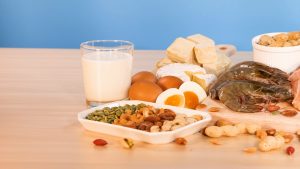
It doesn’t have to be difficult or limiting to obtain a sufficient amount of protein. For omnivores, some of the best-quality proteins available include:
- Chicken
- Salmon
- Eggs
- Greek Yogurt
- Cottage Cheese
These options contain protein to help you recover from muscle soreness, and they also help keep you fuller longer. If you follow a plant-based diet, there are still plenty of good sources of protein available.
Are You Able to Get Enough Protein From a Plant-Based Diet?
Definitely! It is definitely achievable, as long as you strategically plan your meals. A few options for plant-based sources of protein include:
- Lentils
- Chickpeas
- Tofu
- Quinoa
- Peanut Butter
- Beans
Consuming a variety of plant-based protein sources throughout each day can help provide you with a fuller assortment of amino acids for recovery and energy restoration.
Are Protein Shakes Required?
Protein shakes are not necessary for a bodyweight exercise program. Whole foods should always be the basis for meeting your nutritional needs, when feasible; however, if you are on the go or cannot reach your daily protein intake, protein shakes can be very beneficial.
They work as a great supplemental “top-up” to your protein needs, after your exercise program, or in-between meals.
Conclusion
When you’re trying to achieve a higher level of fitness through bodyweight training, it can be tempting to focus solely on intensity, pushing yourself as hard as possible in each session. But other factors play an important role in your body’s performance and progression over time. Nutrition and recovery also have a significant impact on how well you will perform during your workouts and how quickly you will improve.
If you feel like your workouts are more challenging than they should be, if your energy is low, or if your progress is not moving forward, one important thing to consider is whether or not you are consuming enough protein to support the type of bodyweight training you’re doing.
When your body gets the appropriate amount of protein consistently, you will have a much easier time recovering and will experience less soreness after your workouts. You will also be able to continue to build strength and develop endurance over the long term.
At Basics and Beyond fitness & nutrition, we believe that sustainable fitness is achieved by combining sustainable nutrition habits with day-to-day lifestyle-friendly training routines.
FAQs
Ques. 1: Is it possible to get enough protein without consuming meat?
Ans: Certainly! Plant-based protein sources like lentils, tofu, chickpeas, and quinoa can be ingested throughout the day and will provide enough protein to meet your needs. If you want to make sure you’re getting enough, consider supplementing your diet with plant-based products.
Ques. 2: Will increasing the amount of protein in my diet cause weight gain?
Ans: As long as your daily caloric intake remains within a healthy range, there should be no issue with gaining weight due to increased protein intake. Because protein is often recognised as the “most satisfying” macronutrient. It will discourage overeating by creating the impression of fullness, thereby aiding in achieving and maintaining a desirable weight.
Ques. 3: Do I have to use protein shakes when doing bodyweight exercises?
Ans: No. Whole food sources are the best sources of protein. However, because of the convenience and practicality of using protein shakes to meet daily protein targets on busy days, they can be beneficial as “top-up” products.
Ques. 4: Is too much protein harmful?
Ans: For healthy adults, consuming up to 2.2g of protein per kilogram of body weight each day is generally safe and effective. On the other hand, extreme long-term over-consumption of protein, when combined with low hydration rates, may increase the risk of kidney damage. However, this scenario is quite uncommon among active individuals who typically consume food with no added protein.
Ques. 5: How soon will I notice a difference in my body after increasing my protein intake?
Ans: Generally speaking, most people experience increased energy levels and a decrease in soreness after 1 to 2 weeks of increasing their protein intake. Changes in muscle tone or body composition usually take 4 to 8 weeks after beginning regular bodyweight training.