
An injury changes more than just your physical ability; it changes how you move, how confident you feel, and often how much you trust your own body. Even after the pain fades and daily activities seem manageable again, many people notice instability. You may feel slightly off balance while walking, hesitant when climbing stairs, or unsure about returning to workouts you once enjoyed. This is where post-injury balance training becomes essential.
Why do we feel wobbly after an injury?
Feeling unsteady is very common after the injury; even when the swelling is reduced and the pain is gone, your body still struggles with balance and coordination. This happens because an injury damages your brain’s way of communicating with the body. Every movement you make relies on a system called proprioception, often referred to as your body’s awareness system. It allows you to know where your limbs are positioned without looking. When an injury occurs, this system temporarily weakens. The sensors around joints and muscles that help maintain stability become less responsive, making movements feel unfamiliar or shaky.
As a result, your body may hesitate during motions that once felt effortless. Walking on uneven ground, turning quickly, or standing on one leg may suddenly require extra concentration.
How does balance body training work for it?
Once the injury affects your body’s balance system, complete recovery requires more than rest. You need post-injury balance body training, which helps by retraining the connection between the brain and the muscles and the joints. So your body can restore the movement naturally.
After an injury, the muscle or tissue becomes inactive. In between the joints, there are smaller tissues that are responsible for keeping the joints stable and the movement steady. And when those tissues are not functioning properly, the movement feels uncertain and requires conscious effort.
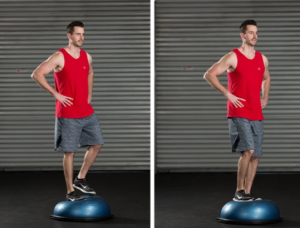
Post-injury body balance training helps with stability control through gentle exercises, such as standing on one leg, shifting weight slowly, or maintaining balance on uneven surfaces. All of these exercises help your nervous system to respond to the movement you do with the injured tissue, joint, or muscle. As your nervous system begins responding better to movement, your body slowly relearns how to stabilize itself without constant effort. What once felt shaky or uncomfortable starts becoming smoother and more controlled. This gradual improvement is the core purpose of post-injury balance training, helping your body return to natural movement patterns rather than relying on compensation or hesitation.

Rebuilding stability step by step:
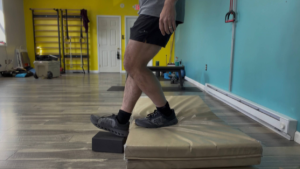
One of the biggest misconceptions about recovery is believing that strength alone is equal to readiness. But most of them do not understand that this is just half the equation. While strength training rebuilds the muscles, post-injury balance training focuses on activating deep stabilizing muscles that often remain weak after an injury. These smaller muscles work quietly in the background to protect your joints during everyday movement. When properly trained, they help maintain alignment while walking, bending, reaching, or exercising. As stability improves, pressure on the injured area decreases, allowing movement to feel safer and more efficient.
The process usually begins with simple, controlled exercises and gradually progresses toward dynamic movements that mimic real-life activities.
Restoring Confidence Along with Movement
Physical healing is only one part of recovery. During the process, when you are recovering from an injury, your muscle builds a memory of taking precautions before moving freely, and that becomes your muscle memory. Many individuals experience lingering fear after an injury or a fear of slipping, falling, or getting hurt again. This hesitation can limit mobility even when the body is capable of more. Through consistent post-injury balance training, movements are reintroduced in a safe and controlled environment. Each successful movement reassures your brain that the body can handle activity again. Over time, confidence replaces caution.
You may notice yourself walking faster, climbing stairs more comfortably, or returning to workouts without second-guessing every movement. These psychological improvements are just as important as physical recovery.
Signs You May Need Post-Injury Balance Training
Sometimes instability is subtle and easy to ignore. However, certain signs indicate that balance recovery may still be incomplete:
- Feeling unsure while walking on uneven surfaces
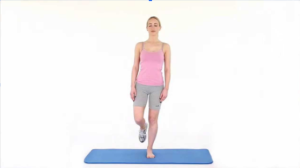
- Difficulty standing on one leg
- Hesitation during quick movements
- Frequent loss of balance or stumbling
- Muscle fatigue during simple activities
- Fear or lack of confidence while exercising
Conclusion
Feeling unsteady after an injury is completely normal, but it should not be ignored. Healing removes pain, yet true recovery happens when your body regains stability, coordination, and confidence. Post-injury balance training bridges the gap between being medically healed and truly ready to move again. It reconnects the brain with muscles and joints, strengthens stabilizing systems, and restores trust in your body’s ability to perform everyday movements safely. Recovery is not just about returning to where you were before injury; it is about moving forward stronger and steadier. With consistent balance training, you can regain control, prevent future injuries, and return to an active lifestyle with confidence.
FAQs: Frequently Asked Questions
Ques 1. Can balance training help if my injury was a long time ago?
Ans. Yes! Even years later, if you still feel unsteady, starting balance exercises can make a big difference. Your body can keep improving with the right work. Many older adults or past athletes restart and feel much steadier.
Ques 2. Can I do these exercises at home by myself?
Ans. Yes, many simple ones (like standing on one leg or using a pillow) are safe at home. But it’s smartest to learn them first from a certified physical trainer. They check your form, make sure you’re ready, and adjust if something hurts. Doing them wrong can slow recovery or cause new issues.
Ques 3. How soon can I start balance exercises after my injury?
Ans. It depends on your injury. For a mild ankle sprain, many people start gentle balance work (like standing on both feet evenly) within a few days to a week once swelling goes down. For bigger injuries like a knee tear or surgery, wait until your doctor or physical therapist says it’s safe, often 2–6 weeks or more. Always check with them first, so you don’t make things worse.