
About 2 to 3 years ago, AI entered the market, and it created such a stir that AI started appearing everywhere. AI did not leave any area where it did not contribute. Moreover, nowadays people have started relying on AI for every piece of advice, like what to eat and drink, and even in the fitness sector, asking which workout routine is best to follow. When someone gives a prompt to AI, it instantly prepares a plan, and many follow it attentively.
In some cases, if someone says, “This plan isn’t suitable for me because I have health issues like diabetes or high blood pressure,” AI adjusts the plan and provides a new one. However, sometimes these plans and routines harm their health, rather than being helpful and beneficial for their health. And they don’t achieve the desired results.
AI can miss subtle signals, like fatigue, posture issues, or early signs of injury, which only a trained human eye can notice in real time. It can’t read your body language, can’t understand your mental state, or notice how you’re actually feeling that day.
A personal fitness trainer is the only option that can provide the right suggestions and proper guidance. They observe your body and consider your strengths and weaknesses before suggesting a workout routine.
AI can be really helpful if you’re just starting with fitness. It can give you workout plans and guidance, especially when you don’t have a trainer around. It’s great for beginners or if you just want a quick idea of what exercises to do. But the thing is, AI can’t adjust things on the spot, push you to keep going, or make sure you’re doing exercises safely. That’s where a personal trainer shines.
For example, someone wanted to build muscle and asked AI for a strength-training plan. Then AI provided him with a high-intensity schedule, but after a few days, he experienced joint pain and fatigue. He was worried about that joint pain and consulted with a general practitioner. He discovered that his joint pain wasn’t serious but was caused by following a workout routine that didn’t suit his body. A personal fitness trainer stepped in and adjusted the exercises to his experience level, which helped him gain strength safely. This explains how AI is a helpful guide but not a replacement. The GP recommended him to see a trained fitness professional for his exercise routine.
AI can create amazing plans, but it can’t drag you to the gym
Another important point is regularity and motivation. AI can give you a plan, but it can’t boost you when you feel like skipping a workout or struggling to follow it. We’ve seen people quit perfectly planned routines simply because no one was there to push them. On the other hand, a personal fitness trainer keeps you responsible, encourages you, and even adjusts your routine on the spot if something isn’t working. This human touch makes the difference between giving up after a week and actually seeing long-term results. After all, fitness isn’t just about exercises and diets but also staying committed and enjoying the journey, and that’s something AI can’t do.

It is not necessary that one plan suits everyone
AI might be good for providing you with a plan that is actually based on general information, but the trainer can adjust everything, from exercise type to duration, based on how your body responds to every workout practice. A personal fitness trainer notices small details that are not possible for AI, like if your posture is wrong or if a movement is causing discomfort. This kind of attention not only prevents you from injuries but also helps you make continuous progress, making every workout effective.
When You Need More Than Just Advice to Keep Going
AI is not capable of providing emotional support. Some days can be overwhelming, full of frustration due to slow progress. A personal fitness trainer understands this and can encourage you, celebrate small victories, and maintain your motivation level. That human connection turns fitness into a rewarding journey of fitness. Fitness isn’t just about muscle building or losing weight. It’s about long-term health and making daily workouts a habit. AI can suggest routines, but it can’t notice subtle changes in your body, lifestyle, or energy levels that might require adjustments. A trainer ensures that your progress is safe, effective, and built to last.
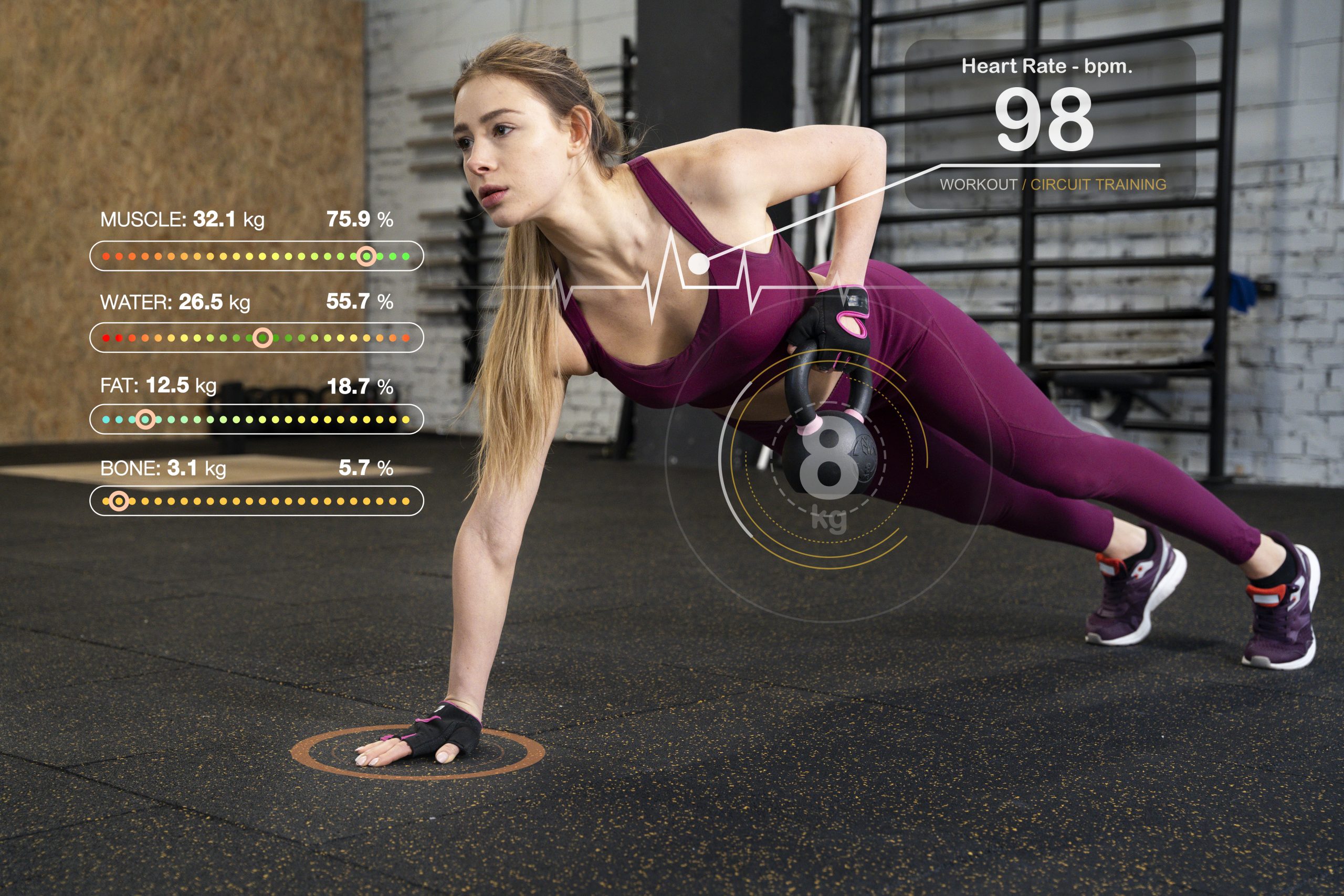
It’s Training for Life, more than just exercise
Another advantage is variety. AI plans can sometimes feel repetitive because they follow set rules. On the other side, a personal fitness trainer mixes up exercises or even suggests outdoor activities to keep workouts engaging. This variety not only makes fitness fun but also challenges your body in the right ways. Personal fitness trainers help you build sustainable habits beyond workouts. Fitness isn’t just about the gym; it’s about nutrition, mindset, and consistency. Trainers notice how your lifestyle, energy levels, and even stress affect your performance, and they provide guidance that AI simply can’t. With their support, you’re not just following a routine; you’re learning how to make fitness a part of your life for the long term.
Conclusion
AI can write the perfect workout plan, but it can’t see the tired look on your face or notice when your body needs rest instead of more reps. It doesn’t hear the hesitation before you say, “I’ll start tomorrow,” or celebrate with you when you finally get stronger. A personal fitness trainer does all of that. They stand beside you on the hard days, correct you before pain turns into injury, and push you when you’re ready to go further.
AI gives the plan; humans give the push.
FAQs Frequently Asked Questions
Ques. 1. Can AI replace personal trainers?
Ans: AI cannot replace a personal trainer. AI can provide suggestions, but a regular trainer can guide you after considering your strengths and weaknesses.
Ques. 2. How is AI helpful in someone’s fitness journey?
Ans: AI can help you by providing strategies and sometimes alternative exercises when the routine feels frustrating. It acts as a helpful tool to make the fitness journey smarter.
Ques. 3. What are the limitations of using AI in a fitness journey?
Ans: AI cannot understand human responses to exercises and is not capable of preventing injuries and providing personalized guidance. It lacks the human insights that are essential for a fitness journey.
Ques. 4. If AI tracks progress, why is human motivation necessary?
Ans: While AI can track your progress and celebrate milestones, it cannot provide the emotional support, encouragement, or accountability that a personal trainer offers.
Ques. 5. Can AI give nutrition advice?
Ans: AI can provide general nutrition tips, but these may not be perfectly suited to your individual needs. A personal trainer can create a meal plan that aligns with your workout routine, lifestyle, and fitness goals.