
Have you ever felt slightly off-balance while walking, climbing stairs, or even standing up straight?
That feeling of slight instability, or the sudden urge to grab onto something for support, is real. It happens to more people than you think. For adults aged 40 and above, poor balance subtly impacts their lives, which affects their confidence and increases the risk of falls and injuries.
But Balance Body Training is a proven method for regaining stability and strength.
But let’s first understand —
What causes poor balance in adults?
Poor balance does not occur suddenly. In most cases, it is a result of a number of physical and age-related factors. To start making changes, you need to know the real cause of your problem. Here are some common reasons:
Weakened Core Muscles: The core muscles are essential to keeping your body balanced. The core muscles include abdominal muscles, the lower back, and the pelvis. But if your core muscles are weak, you may have to deal with problems like
- Posture instability
- Difficulty in standing straight up
- Instability during movements
Aging and Muscle Loss: After you reach the age of 40, your muscles begin to naturally lose their mass and strength, especially in your legs and core; this is often referred to as sarcopenia. And the nerve endings in your feet also start to have less sensitivity as you age, and therefore your reaction time will be slower. That’s why when you move or stand for long hours, your body is disbalanced.
Sedentary Lifestyle: A sedentary lifestyle unknowingly causes faster deterioration of balance in your life. At this stage of life, people are usually working, spending hours sitting behind a computer screen. And that prolonged sitting messes with your stability. Not moving regularly leads to shrinkage and weakening of the muscles, joint stiffness, and a decreased ability of the nervous system to monitor the body’s position.
Past Injuries: An old ankle or knee injury or problems with the hips, neck, and head can have lingering effects on one’s body and create vulnerabilities that may not appear immediately but start to become apparent after several years. This causes imbalance and risk of reinjury.
Poor Posture: Prolonged periods of sitting or standing in an improper posture, such as slouching, a forward head tilt caused by the usage of phones or computers, and an imbalance in how you distribute your body weight when standing, can affect your spine and pelvis alignment negatively.
Vision Changes, Medications, and Other Health Conditions: Eye problems such as cataracts, glaucoma, and blood pressure medications, diabetes, arthritis, or neurological conditions can all interfere with the balance system of your body.
Why is body balance important at this age?
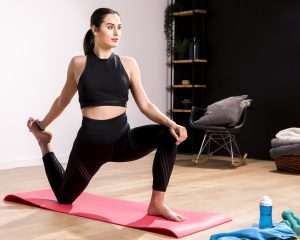
A proper body balance is something that many people take for granted until it starts to decline. In your 40s and beyond, a good balance becomes more important as it helps you move freely.
Strong balance also protects your joints, improves posture, reduces back pain, and helps prevent serious injuries from falls. Studies show that falls are one of the leading causes of injury and loss of independence in adults over 50. But the good news is that Balance Body Training can break this cycle and actually reverse many of these changes.
What is balance body training?
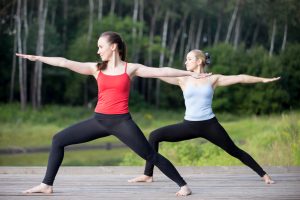
Balance body training is a progressive and well-structured set of exercises designed to help you gain greater stability and coordination of your movement.
As compared to common exercises that concentrate only on increasing strength or aerobic performance, Balance Body Training pays special attention to training your body as a unified system. It helps your muscles and joints work together so your body regains balance.
Simple Balance Body Training Exercises you can start with:
Balance body training does not need any external equipment to train with. Here are some beginner-friendly balance body exercises you can do:
- Single-Leg Balance: Stand tall near a chair. Slowly shift your weight onto one leg and lift the other foot just 2-4 inches off the ground. Hold for 10-20 seconds on each side. This is one of the best exercises for ankle stability and core activation.
- Heel-Toe Walking: Put one foot so that the heel is in front of the toes of the other foot and walk a straight line for 10-15 steps and then back again. This is great to work on coordination and balance.
- Sitting to Standing: Start out sitting in a chair with your arms folded across your chest. Try to stand up without using your hands and lower yourself back down slowly and with control. Repeat 8-12 times.
- Heel Raises: Stand with your feet hip width apart, rising slowly onto your toes and holding on for a count of 5. Then lower yourself to the ground. Repeat 10-12 times. This will help strengthen your calves and ankles.
- Plank hold: hold a plank position, keep your body in a straight line from head to toe, engage your core, and hold for 10–20 seconds. Gradually build up time as you get stronger. The plank is excellent for building deep core strength, which directly improves overall stability and posture.
- Wall squat: stand still against a wall and sit and slowly slide down until your knees are at a 90-degree angle. Hold this position for 10-20 seconds, then slowly rise back up. For beginners this exercise can be a little tricky, so it’s best to take help of a professional balance body personal trainer.
Conclusion
Poor balance often develops quietly, but over time it can affect how you move, how confident you feel, and how safely you go about your daily life. The good part is that once you understand the cause, it becomes much easier to fix.
With consistent and structured Balance Body Training, you can rebuild strength and regain control over your movements. It does not require extreme workouts or complicated routines.
And the earlier you start, the better your results will be. So, if you think that you are young and you have a proper balance over your body and movement, you’re wrong. There are many factors like poor posture and a sedentary lifestyle that can affect your balance, so the earlier you start, the better results you get.
FAQs: Frequently Asked Questions
Ques 1. Is Balance Body Trainer available near me in Nashville, and do I really need a trainer?
Ans. Yes, Basics & Beyond fitness & nutrition brings Balance Body Training across Nashville, including areas like Green Hills and Berry Hill. Working with our certified fitness trainers will ensure your form is correct, so there is no risk of injury.
Ques 2. I’m 45 years old and have a hectic schedule due to work. I commute on a daily basis and sit for hours at my office. Why do I feel unsteady sometimes?
Ans. Sitting throughout the day for a long period of time affects your muscles and makes them weak, which causes imbalance in your body. You should try balanced body training.
Ques 3. I had an injury in my ankle a few years ago. Can it still influence my balance now?
Ans. Definitely, past injuries can influence you even when you do not feel pain anymore. They can make your body unstable or cause improper balance coordination for a long time.
Ques 4. I’m over 65 and haven’t exercised in years. Is balanced body training safe for me to start?
Ans. Absolutely. Start slowly with the beginner exercises such as single-leg balance, heel-to-toe walking, and plank hold. These exercises are gentle and beginner-friendly with great benefits; you can also train with a personal trainer. As they can assist you with the right form and posture.
Ques 5. Do I need any equipment for balance body training?
Ans. No, you don’t necessarily need any external equipment for balanced body training. In fact, you don’t even need a gym to do these exercises; you can do these at home.